
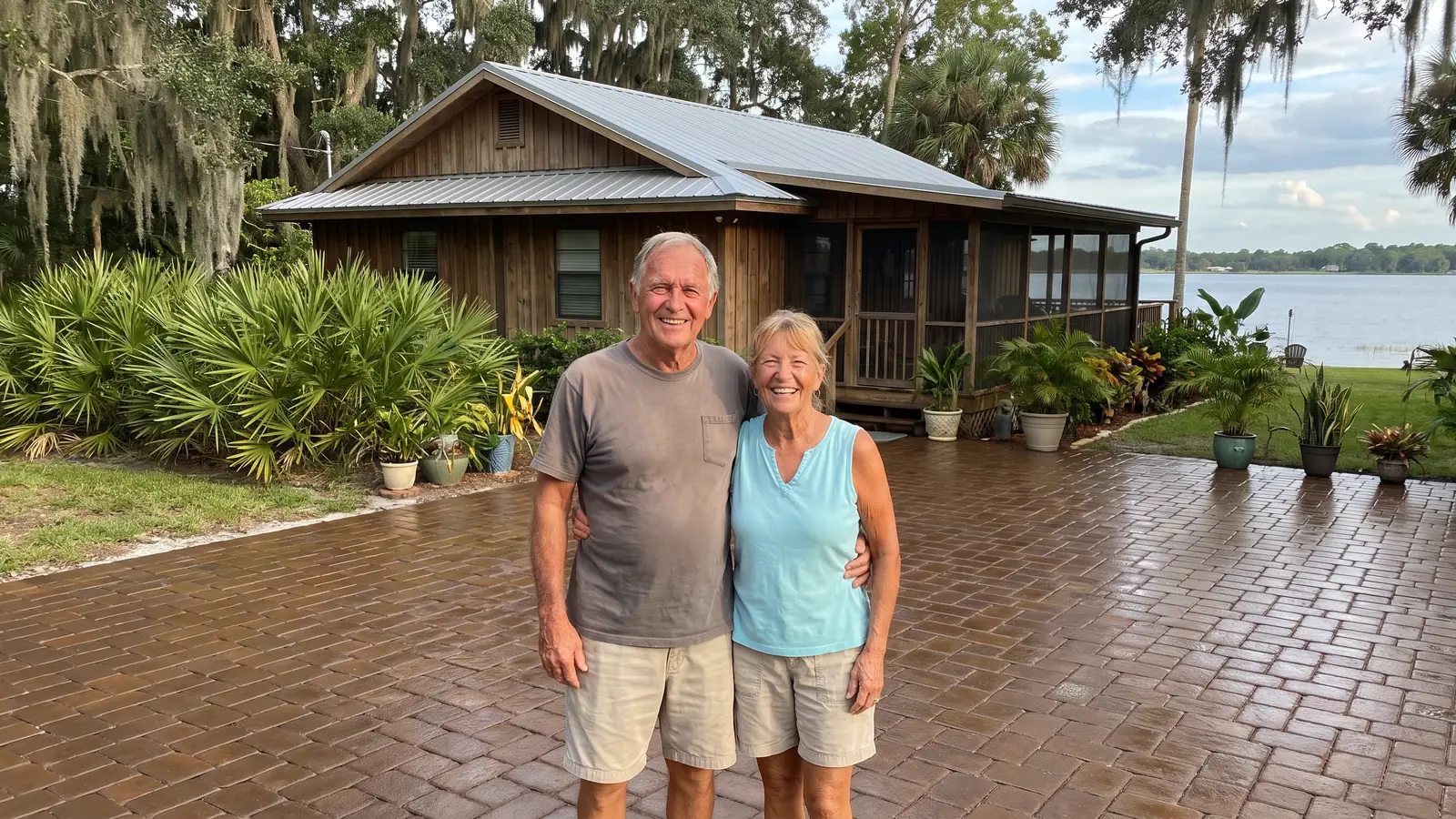
Paver sealing for Sanford homes
Paver Sealing in Sanford, FL
Lake Monroe's damp air and old oak shade work on Sanford pavers, so phone (386) 977-8354 for a free estimate.
- Brings out deeper paver color
- Fresh joint sand helps lock pavers in place
- Gives weeds less room to grow
- Makes the surface easier to keep clean
- Free estimate, no obligation
Request a Free Estimate
Free, no obligation.
Fast, careful paver sealing in Sanford
Sanford homeowners can get paver sealing, from the live-oak streets of historic downtown to the blocks along Lake Mary Boulevard. Crews scrub off moss and film, put fresh sand in the joints and lay a clear coat on driveways, patios and pool decks. The first look is free, and you will hear back in 1 business day, usually much sooner. To ask for one, ask for a free estimate.
Say the patio behind your Sanford house has turned gray, and moss has crept into the shady corner. A wash, new sand and a clear coat can bring back one steady color. That kind of change is what most Sanford owners are after. To describe yours to someone local, call (386) 977-8354.
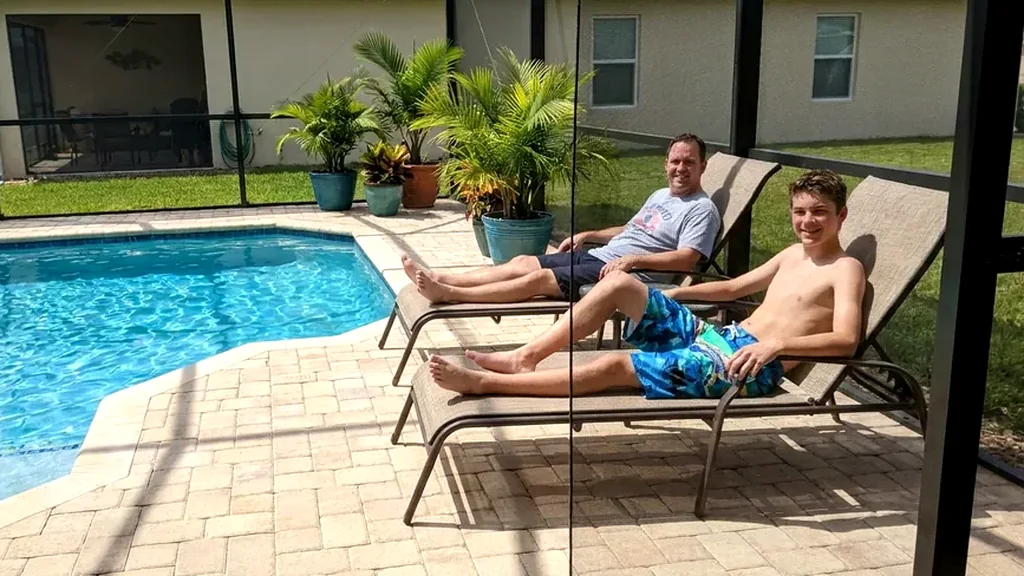
Why hire a local paver sealing contractor in Sanford?
Lake Monroe's damp air, old oak shade and a long wet season all leave their mark on Sanford pavers. To hear how a local contractor plans around them, ask for a free estimate.
A look at your blocks
Someone visits your Sanford property at no charge and gives a written price. Mention if you live in a historic area, since the city may want to review exterior changes.
A range for comparison
Northeast Florida's published prices run $1.75 to $3.25 per square foot. Check any Sanford bid against that span.
A coat for an older home
Matte keeps pavers quiet beside brick and wood. A wet look suits a pool deck but shows wear sooner.
No strings attached
Pick the date and the finish, or say no thanks. A Sanford estimate carries no obligation.
Get Your Free Estimate in Sanford
Tell us about your pavers in Sanford.
Free, no obligation
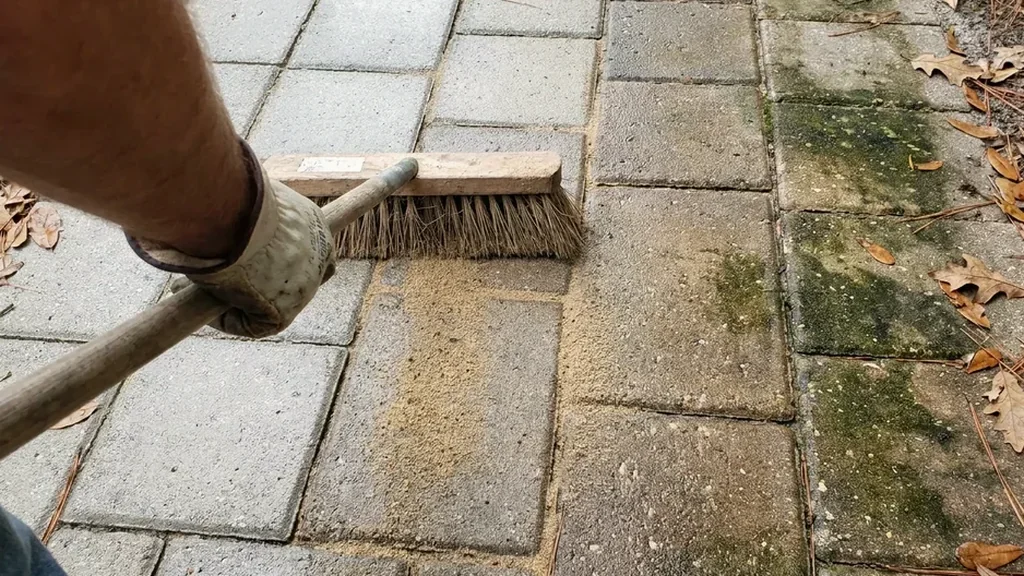
What paver problems show up most in Sanford?
Humidity off Lake Monroe
Sanford sits on the southern shore of Lake Monroe, about 39 feet above sea level. A paver company that lists the city says strong sun, frequent storms and high humidity near the lake speed fading and growth in joints. Stones that stay damp grow green film sooner. Washing clears it, and a coat slows its return. Shaded corners dry last, so they get the closest look. The St. Johns River flows through Lake Monroe, and Sanford is the head of navigation, so the city has always been tied to open water. Shade on the north side of a house dries slowest, and that is where green film usually starts. Camp Monroe was built there in 1836 and renamed Fort Mellon, so people have lived beside this water for a long time.
Live oaks over the older blocks
Streets in historic downtown are lined with live oaks. Moss and algae need heavy shade and a stay-wet surface to take hold, and those branches supply both. A car parked under one can leave a dark patch of drip and debris. The Riverwalk and marina sit along the same waterfront, a reminder of how near the water is. Sweeping the stones once a month keeps debris from holding moisture against them. Oak roots can lift paver edges over time, which is one more reason low stones get checked first. If your pavers sit beside older brick or stone, say so, because those materials affect how the stones are rinsed.
Low, flat ground
USDA describes the Immokalee soil series as poorly drained fine sand on low flats, with a water table 6 to 18 inches down for one to four months in most years. That is a regional picture, not a lot-by-lot one. Rainfall in that range runs 44 to 60 inches a year, close to the 49.6 measured at the Sanford airport. Low spots near the lake may stay wet, so drainage is checked before sealing. A quick walk after a summer storm shows which corners hold water longest. Sandy soil over a layer that holds water can drain on top while staying wet below, so a surface that looks dry after a storm may not be. After a long wet spell, a low corner can hold water for days, and sealing waits until the stones are truly dry.
Rain that moves the sand
June to September is wet in Sanford, and heavy rain shifts loose joint sand. Open joints let soil in, and weeds root there. A job here should end with joints full and swept, not only a clean top. Ask the crew to look at the joints along the curb, where runoff leaves the driveway. A patched joint line may look fine in spring and thin out by late summer. NOAA normals for the Sanford airport show about 133 days of measurable rain a year, so dry windows are worth using. A joint that is half full on Friday can be empty by Monday after a good soaking. Weeds find open joints quickly, and sealing the joints afterward discourages ants as well.
Old stone, unknown coats
Henry Sanford laid out the town in 1870, and it was incorporated in 1877. Mellonville joined in 1883, so the oldest streets carry well over a century of owners. An earlier owner may have used a product nobody wrote down. Water-based sealer will not bond over solvent-based, so the old coat is identified before a new one is chosen. A short note on which year the pavers were laid, even a guess, helps the crew plan. After the Great Freeze of 1894 and 1895 hurt citrus, celery was planted in 1896, and the old town grew up around that farm trade. A photo of the old surface, taken before the wash, helps you compare results later.
Does historic downtown Sanford need different paver care?
Often it does, since older blocks have older stones, more shade and sometimes extra rules. Downtown holds older commercial and residential architecture, and the city says changes in historic areas may need a Certificate of Appropriateness. The city calls itself The Friendly City, and its Planning Division handles those approvals. Give your block when you ask for a free estimate.
A local paver company names Historic Downtown and the Lake Mary Boulevard area in its Sanford coverage. Goldsboro, annexed in 1911, adds more history to the city map. The city lists Fort Mellon Park, Veterans Memorial Park and George Touhy Park among its parks. Call (386) 977-8354 and say which part of town you are in, so the crew can picture the age and shade of your lot.
The city page does not mention sealing by name, so ask Planning staff if your home sits in a historic area. A clear coat on an existing driveway may raise no questions, while a color change might. Asking before work starts takes a phone call, while undoing a change can cost far more. Once you know the rule, ask for a free estimate and ask about finishes that suit an older house.
What does paver sealing cost in Sanford?
A Sanford quote follows the size of the area. The published range across Northeast Florida is $1.75 to $3.25 per square foot, covering cleaning, sand and sealer. Heavy shade growth or an old coat to remove pushes a job toward the top. To see where yours lands, ask for a free estimate.
Courtyards behind older homes take more hand work than open driveways, and that shows up in the quote. So does an old coat that has failed, since Safe Touch lists strip-and-reseal above a standard job. Pool decks and patios each get a separate measurement. Call (386) 977-8354, and the contractor can point out which ones apply to you.
| Paved area | Typical example | Clean, sand and seal |
|---|---|---|
| 300 sq ft | Small patio or walkway | $525 to $975 |
| 600 sq ft | Two car driveway | $1,050 to $1,950 |
| 1,000 sq ft | Large driveway or pool deck | $1,750 to $3,250 |
| 1,500 sq ft | Driveway plus pool deck | $2,625 to $4,875 |
Math based on the $1.75 to $3.25 per square foot that Northeast Florida paver companies publish. Your contractor sets the actual price after seeing the surface. Repairs, leveling and stripping failed sealer are usually extra.
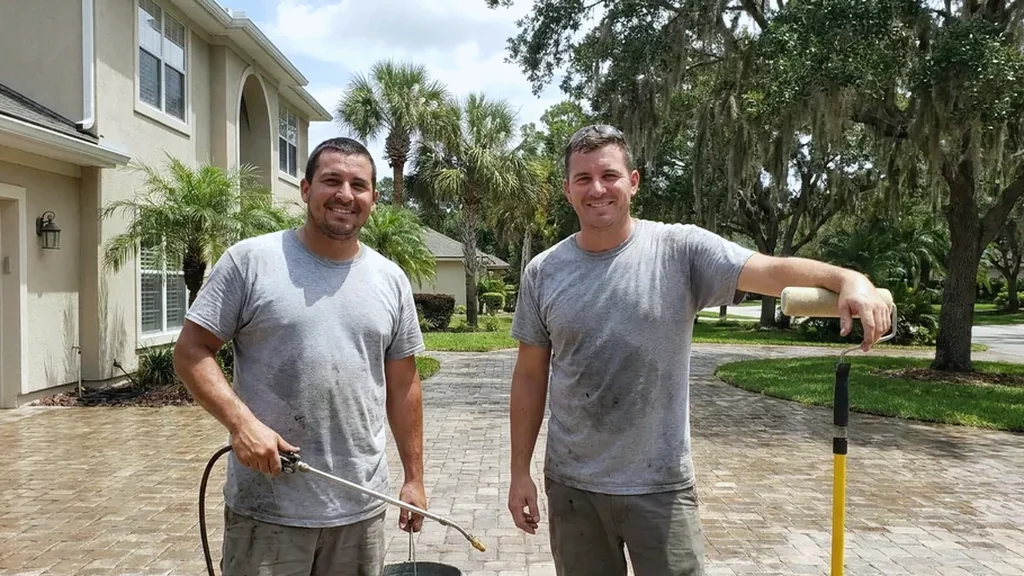
How does a paver sealing job work in Sanford?
Inspection
The visit starts with a slow walk. Someone checks for rocking stones, low corners and any coat already down. Older Sanford blocks may hold sealer nobody remembers applying. Low stones are lifted and reset, because a coat laid over a dip keeps it. Expect questions about where water sits after a storm and which areas stay shaded. Bring up any spot you have noticed, even a small one. Older blocks near the lake may show different wear on the shaded and sunny sides of the same house.
Cleaning
Moss, film and leaf stains come off next. Pressure is held low to spare the joints, and old brick gets a lighter touch. Rinse water is pointed away from plants and the pool. A second rinse carries loosened dirt off the surface. Stubborn dark spots under old oaks may need a second pass, which is normal. Brick and stone beside the pavers are protected during the wash.
Sanding
With the stones clean, new sand is swept into every joint until the gaps are full. A Seminole County summer would empty loose joints fast, so tight packing counts. Sand that is firm will not wash out at the first heavy shower. Joint sand also helps keep ants out of the gaps. Silica sand is the usual choice, and it should end just under the paver edge.
Drying
Damp stone turns white and cloudy under sealer, so the job pauses here. A patio shaded by oaks may need extra hours. When storms roll in, the day slides. Many Sanford owners find October to May the easiest stretch. Do not worry if the stones look blotchy before they dry out. A morning check with a damp cloth or a moisture meter tells the crew when stones are ready.
Sealing
A sprayer lays down the sealer and a roller follows to level it. Choose matte for a quiet look or a wet look for depth. Walking is fine within hours, though a car should sit out a full day. Most owners reseal two to five years later, going by company quotes. A photo of the finished surface gives you something to compare a year from now. Ask for the product name and coat count in writing.
Complete paver services in Sanford
Four things happen on a Sanford sealing job, always in the same order. Moss comes off, sand goes back between the stones, the surface dries, and then the clear coat is applied. To learn how long that takes on your property, call (386) 977-8354.
Every surface on a Sanford lot ages its own way. Walks under oaks turn green, driveways take sun and tires, pool decks take splash, and a patio near Lake Monroe stays humid. Brick and stone near the house get a gentler rinse. List each one when you ask for a free estimate, and each gets its own price.
Pick a finish after the old coat is identified, not before. Matte quiets an older home's front walk, and a wet look gives a pool deck more depth. Water-based sealer will not bond over solvent-based sealer. Call (386) 977-8354 and talk through the options.
October to May is the dry season here, which opens many easy days. From June to September, storms build in the afternoon, so mornings are the better bet. Either way, the stones must be fully dry first. To choose a date for your street, ask for a free estimate.
Questions to ask before you hire
- Will the quote tell me how many square feet you measured and what each foot costs?
- How many days between the wash and the sealing?
- How do you handle pavers near a lake or pond where the ground stays damp?
- Do you take a moisture reading before you seal, or only look at the surface?
- Can you tell me whether the sealer leaves a wet look or a natural finish?
- If my HOA has rules about sheen or color, can you work inside them?
- How long should I keep cars and foot traffic off after sealing?
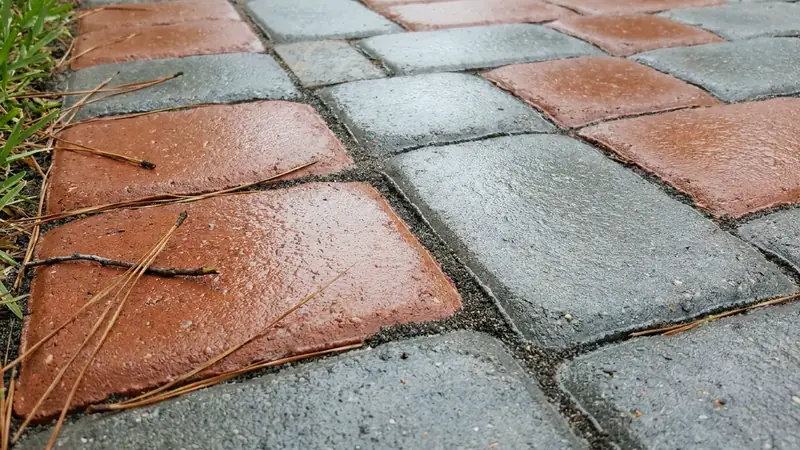
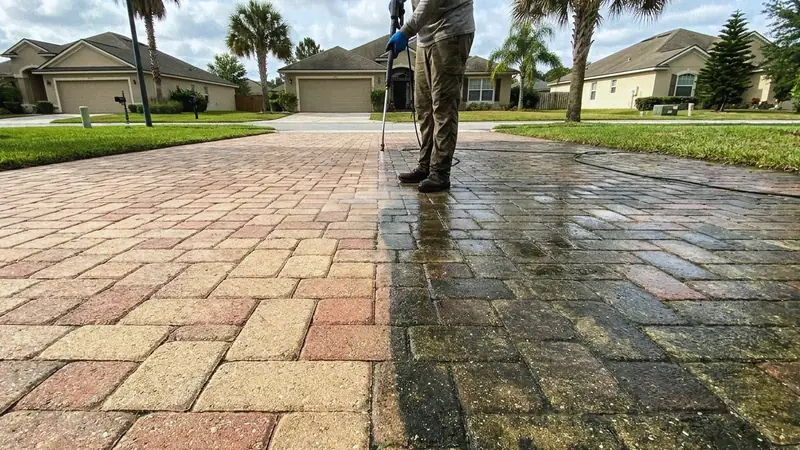
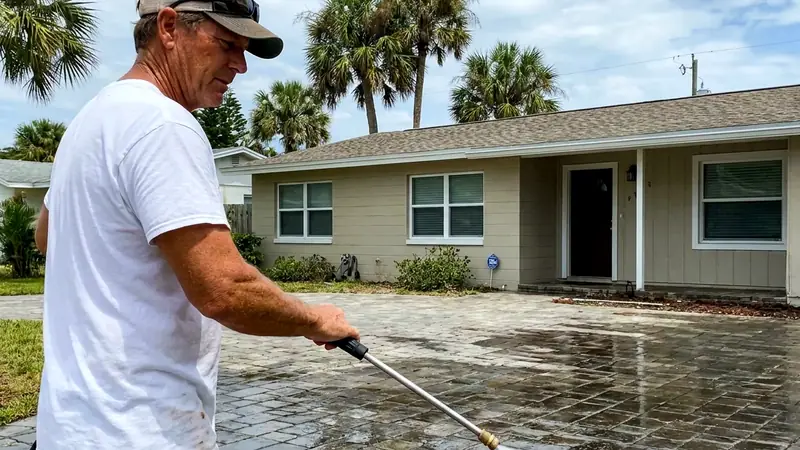
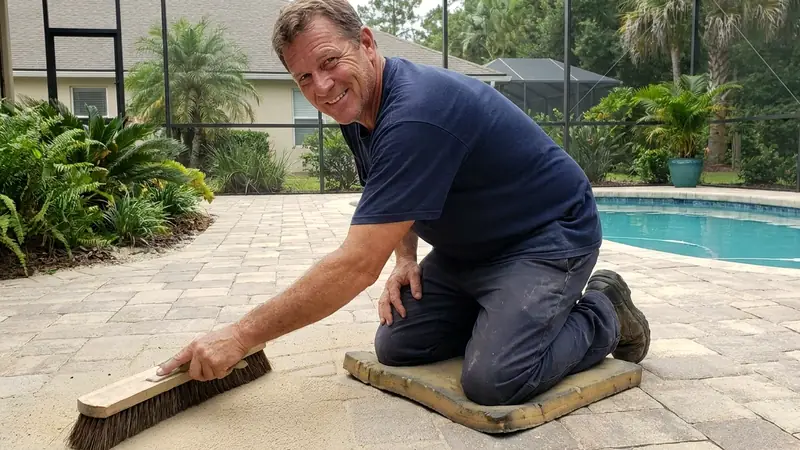
What do sealed pavers look like around Sanford?
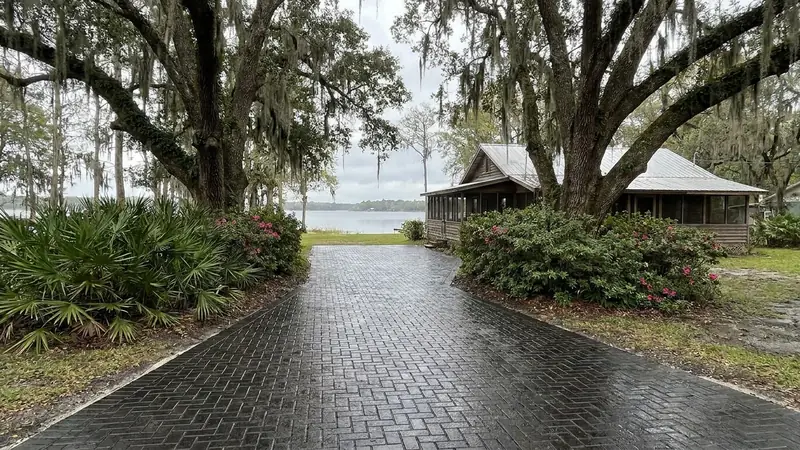
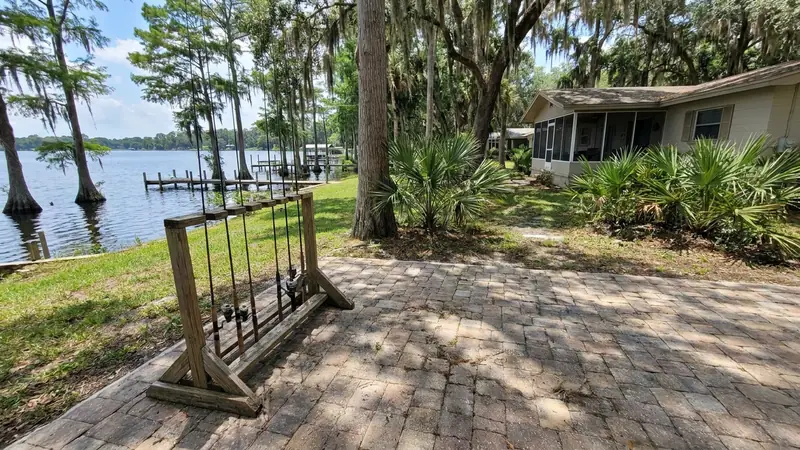
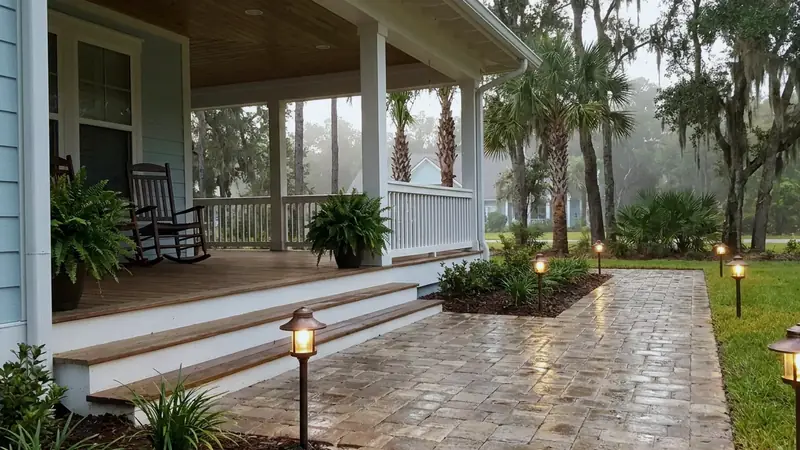
Why local matters in Sanford
Lake Monroe sits at the edge of town, and its humid air reaches many driveways. Someone who works Sanford daily knows where the damp lingers and where the oaks hold shade. That saves a wrong first guess. To reach a contractor in Seminole County, call (386) 977-8354.
Old houses call for care. Downtown has been settled since the 1870s, so a paver patio may sit beside brick or wood that should not get soaked. A local contractor plans the rinse around that. You can ask for a free estimate and ask how older surfaces are protected.
Storm timing matters in summer. A local crew keeps an eye on the afternoon clouds and books sealing for mornings that stay clear. That is how stones get fully dry. To share which part of town you live in, ask for a free estimate.
What should I know about Sanford before I seal my pavers?
Start with the setting. Sanford is the Seminole County seat, on the southern shore of Lake Monroe at the head of navigation on the St. Johns River. Henry Sanford bought the land in 1870, and Swedish colonists came in 1871 to clear it for citrus. If you live near the old downtown, ask for a free estimate.
After the Great Freeze of 1894 and 1895, farmers planted celery, which gave Sanford the name Celery City. Fort Mellon Park, the Riverwalk and the downtown marina sit along the water, and the old naval air station became the airport. Naval Air Station Sanford opened in 1942 and closed in 1968. If you are near one of these spots, call (386) 977-8354 and name your street.
Frequently Asked Questions
How much is paver sealing per square foot in Sanford?
A wash, sand and seal runs $1.75 to $3.25 a square foot, according to the range Northeast Florida companies commonly publish. Shade, lost sand and an old coat shift a Sanford job within it. Ask how many square feet were measured. Many owners add a pool deck or a second patio to the same visit.
How much does it cost to seal outdoor pavers?
Published rates stay at $1.75 to $3.25 per square foot, and the total tracks size. A driveway, patio and pool deck add up, so list them all. A free look before you agree gives a line-by-line price. Hold every bid to that same yardstick.
Do pavers in Sanford need sealing?
For most owners, yes. A coat slows sun fade, keeps joint sand in place and makes weeds harder to start. Humid air near Lake Monroe also feeds green film, and a coat helps stones shed it. A shaded patio near the lake may go green again sooner than a sunny drive. Check the coat each spring, before the wet season starts.
Is it better to spray or roll paver sealer?
Crews usually spray first and roll after. The spray covers fast, and the roller levels the coat and pushes it into the joints. Either tool alone has a weakness, with lap marks from one and a heavy coat from the other. A sprayer covers fast, and the roller does the careful work.
How often should pavers be sealed in Sanford?
Around Seminole County, companies often quote two to five years between coats. Sun and tires wear a coat down sooner, while a shaded walk may last longer. If water darkens the stone instead of beading up, it is time to reseal. A yearly splash test takes a minute. Wiping a spot with a damp cloth shows whether a coat is still repelling water.
Do I need city approval to seal pavers in historic Sanford?
That depends on your address. The city says changes in historic areas may need a Certificate of Appropriateness from the Planning Division. Its page does not mention sealing, so ask staff before you start. Older neighborhoods often carry more review rules than newer ones. Ask staff which map or list applies to your street.
Can new sealer go over my old coat in Sanford?
Not every time, because water-based sealer will not bond to solvent-based sealer. Someone has to identify the old product first. A product name on an old receipt can settle it fast, and older Sanford homes may have changed hands more than once. Do not guess at an old coat, since a mismatch can fail within months. If the old product is a mystery, a small test patch can sometimes answer it.
What does a wet look do to my pavers?
A wet look deepens color and adds shine, but scuffs and wear show sooner. On a pool deck that can look striking. On a busy Sanford drive, matte keeps scuffs from showing as soon as a wet look would, so ask for a look at the finish both wet and dry. Gloss draws the eye, which is why many owners reserve it for a pool deck.
Nearby areas we serve
Ready for a Free Estimate in Sanford?
Call (386) 977-8354 and tell us about your pavers.
Free, no obligation